Get Network Cabling Service
Network cabling services connect and install wiring for internet, phone, and data systems, helping property owners ensure reliable connectivity for various tech setups.
Network cabling services are essential for establishing reliable and efficient communication infrastructure within properties. Whether setting up a new office, upgrading an existing network, or expanding connectivity across a residential or commercial space, property owners often seek experienced local contractors to ensure the job is done properly. Exploring options in the area can help identify professionals who understand the specific needs of local properties and can provide tailored solutions to support current and future technology demands.
For property owners planning network upgrades or new installations, comparing local service providers can lead to better project outcomes. A variety of contractors in the area offer expertise in designing and installing structured cabling systems that meet industry standards. Continuing to review and connect with these local specialists can help ensure the right team is chosen to handle the project efficiently and effectively.
- Commercial Office Installations - businesses needing reliable network cabling for their office infrastructure.
- Data Center Setup - facilities requiring structured cabling to support high-volume data transmission.
- Home Network Expansion - homeowners upgrading or expanding their home internet and entertainment systems.
- Retail Store Wiring - retail locations needing organized cabling to support point-of-sale and security systems.
- Educational Institution Networks - schools and universities installing or upgrading campus-wide network cabling.
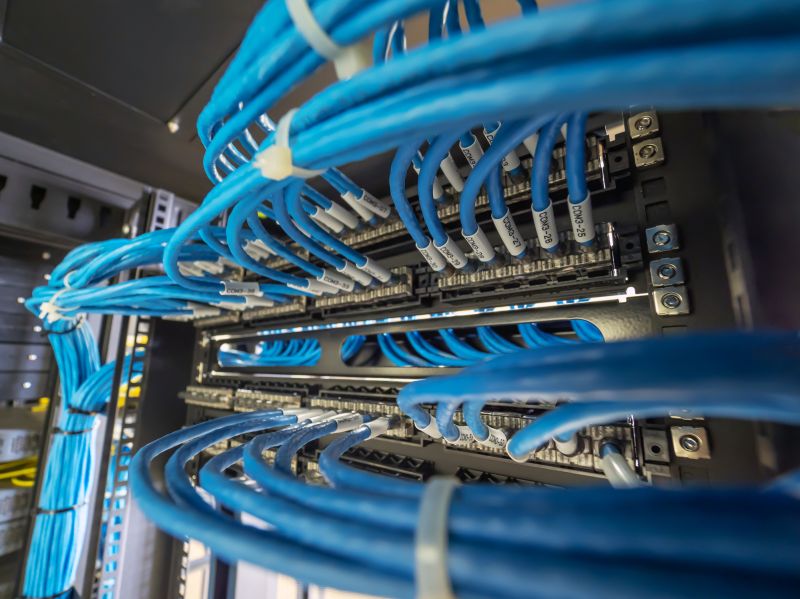
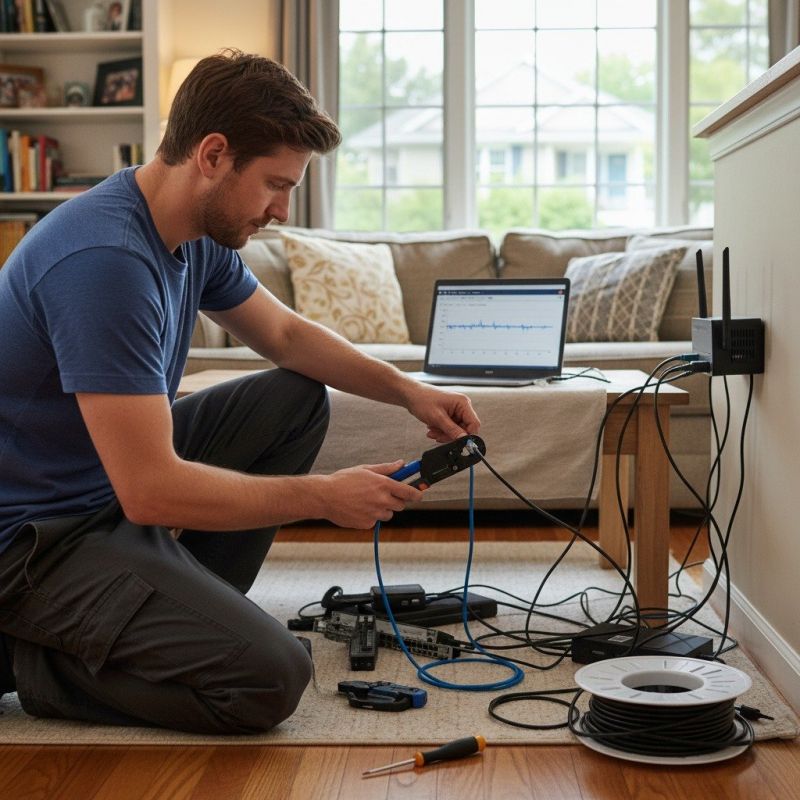

Network cabling services involve installing, upgrading, or repairing the structured wiring systems that connect devices within a property. This includes running Ethernet cables, fiber optics, and other types of wiring to ensure reliable internet, phone, and data connections throughout a home or commercial space. Proper installation helps create a stable network environment, reducing issues like slow speeds, dropped connections, and inconsistent performance. These services are essential for establishing a strong foundation for digital communication, whether for everyday internet use or supporting smart home systems and business operations.
Many common problems can be addressed with professional network cabling. For example, outdated or damaged wiring can cause weak signals and frequent disconnections. Inadequate wiring layouts may lead to slow internet speeds or difficulty connecting multiple devices simultaneously. Poorly installed cables can also create safety hazards or interfere with other electrical systems. By upgrading or reorganizing the cabling infrastructure, local contractors can improve network reliability, increase data transfer speeds, and eliminate common connectivity frustrations, making digital life smoother and more efficient.
Properties that typically require network cabling services include residential homes, especially those with multiple devices and smart home features, as well as office buildings, retail spaces, and other commercial properties. Homes with home offices, gaming setups, or streaming needs often benefit from a dedicated and well-organized cabling system. Commercial properties, on the other hand, usually need extensive wiring to support multiple workstations, security systems, and communication devices. Whether it’s a single-family house or a multi-story office building, professional cabling helps ensure the network infrastructure can handle current demands and future growth.
Homeowners and property managers might consider network cabling services when experiencing slow internet speeds, frequent disconnections, or dead zones in certain areas of the property. Installing new wiring can also support the setup of new devices or the expansion of existing networks. Additionally, properties undergoing renovations or updates may require upgraded cabling to keep up with modern technology needs. Local service providers who specialize in network cabling can assess the property’s specific requirements, recommend appropriate solutions, and handle the installation or repair work efficiently to improve overall connectivity and network performance.
The overview below groups typical Network Cabling Service projects into broad ranges so you can see how smaller, mid-sized, and larger jobs often compare in your area.
In many markets, a large share of routine jobs stays in the lower and middle ranges, while only a smaller percentage of projects moves into the highest bands when the work is more complex or site conditions are harder than average.
Smaller Repairs - Basic network cabling repairs or upgrades typically cost between $150 and $400. Many routine jobs fall within this range, covering tasks like replacing damaged cables or adding a few outlets.
New Installations - Installing new network cabling for a small office or home can range from $500 to $1,500. Most projects of this size are completed within this band, depending on the number of outlets and complexity.
Full Network Setup - A complete network cabling setup for a larger space often costs between $2,000 and $5,000. Larger, more complex projects can reach higher costs, but many fall into the middle range.
Full Replacement - Replacing an existing network infrastructure across a commercial property can cost $5,000 or more. These projects are less common and typically involve extensive work and higher material costs.
Actual totals will depend on details like access to the work area, the scope of the project, and the materials selected, so use these as general starting points rather than exact figures.
Data Center Cabling - involves planning and installing structured cabling systems to support high-density data and voice communication networks in large-scale facilities.
IT Infrastructure Wiring - includes running and organizing network cables for office buildings, ensuring reliable connectivity for computers, servers, and other devices.
Security System Cabling - requires installing network and power cables for surveillance cameras, access controls, and alarm systems that depend on robust wiring infrastructure.
Audio/Visual Cabling - entails setting up structured cabling for conference rooms, auditoriums, and entertainment systems that require integrated network and AV wiring.
Fiber Optic Installation - involves laying and splicing fiber optic cables for high-speed data transmission, similar in planning and precision to network cabling projects.
Telecommunications Wiring - includes installing and maintaining communication lines for phone systems and internet services, relying on similar skills in cable management and planning.

When comparing service providers for network cabling, it’s important to consider their experience with similar projects. A contractor who has handled comparable installations can often demonstrate a deeper understanding of the specific requirements and challenges involved. This experience can lead to a smoother process and a more reliable outcome. Homeowners should inquire about the types of projects a local contractor has completed and whether they have worked with spaces similar to their own, ensuring the professional has relevant background for the job at hand.
Clear, written expectations are essential when choosing a network cabling service provider. A reputable local contractor will be able to provide detailed descriptions of the scope of work, materials used, and the anticipated steps involved in the installation. Having this information in writing helps prevent misunderstandings and ensures that both parties are aligned on project goals. Homeowners should seek out professionals who communicate their plans clearly and are willing to document the details of the project before work begins.
Reputable references and good communication are key factors in evaluating potential service providers. A trustworthy local contractor can often provide references from previous clients who can speak to their reliability and quality of work. Additionally, effective communication throughout the process-prompt responses to questions, transparency about procedures, and clarity about timelines-can significantly impact the overall experience. While this site introduces homeowners to local options, it’s important to contact prospective providers directly to assess their reputation and communication style before making a decision.
Property owners use Network Cabling Service services for practical projects around their homes and businesses. This guide focuses on everyday jobs and straightforward project options.
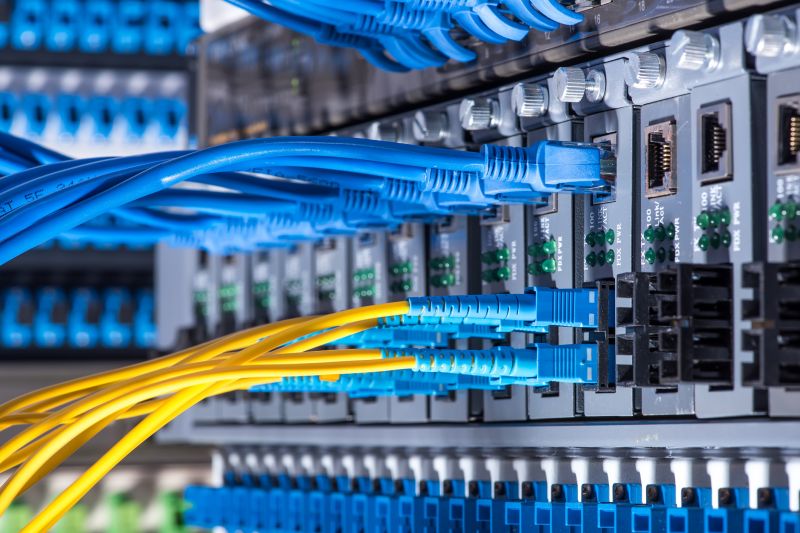
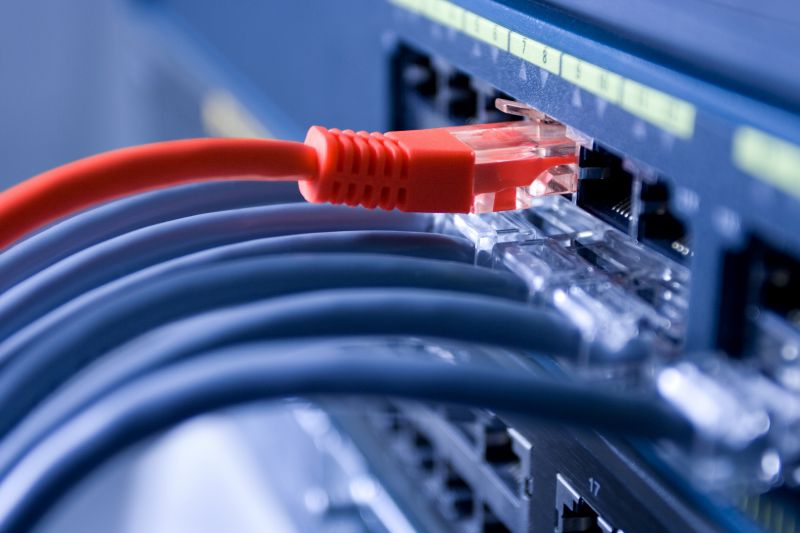
Network cabling services are often needed during the installation or upgrade of internet and phone systems in homes and businesses. Property owners might seek these services when setting up new technology infrastructure, ensuring reliable connections for daily activities, or expanding existing networks to accommodate additional devices. Whether it's wiring a home office, a retail space, or a multi-unit building, local contractors can handle the installation to keep connectivity smooth and efficient.
In many cases, property owners look for network cabling services when renovating or remodeling spaces that require organized and accessible wiring solutions. Proper cabling can improve performance and reduce clutter, making it easier to manage network connections over time. Local service providers are equipped to assess specific needs and install wiring that supports current and future technology demands, helping property owners maintain a functional and well-structured network environment.
What types of network cabling services are available? Local contractors offer a range of services including data cable installation, network wiring, fiber optic cabling, and wireless access point setup to meet different connectivity needs.
How do I know which network cabling solution is suitable for my space? Service providers can assess your environment and recommend the appropriate cabling type and layout based on your technical requirements and building layout.
Can existing network cables be upgraded or extended? Yes, local service providers can handle upgrades, extensions, and replacements of existing network cabling to improve performance and expand connectivity.
Are network cabling services compatible with current technology standards? Many local contractors stay updated on industry standards to ensure that installations support current and future networking technologies.
What should I consider when planning a network cabling installation? It’s important to consider the building’s layout, the number of devices, future expansion needs, and the type of cabling that best supports your network requirements.
Home Office Networking - A property owner can set up reliable network cabling to support remote work and online learning with stable internet connections.
Smart Home Integration - Installing structured cabling allows for seamless connection of smart devices, security systems, and entertainment systems throughout a property.
Business Network Expansion - Local contractors can help upgrade or extend existing network cabling to accommodate new office equipment or additional workspaces.
Entertainment System Setup - Proper network cabling facilitates high-quality streaming and gaming experiences by ensuring fast and stable internet access across multiple devices.
If you are thinking about Network Cabling Service for a property, this guide is meant to help you understand the work, the typical project types, and how different options might fit your plans.
When you are ready, you can use the quote form on this page to share a few details about your project. From there, local pros can review the basics and respond with options that match what you have in mind.